How to Build a Concrete and Rebar Table Tennis Table
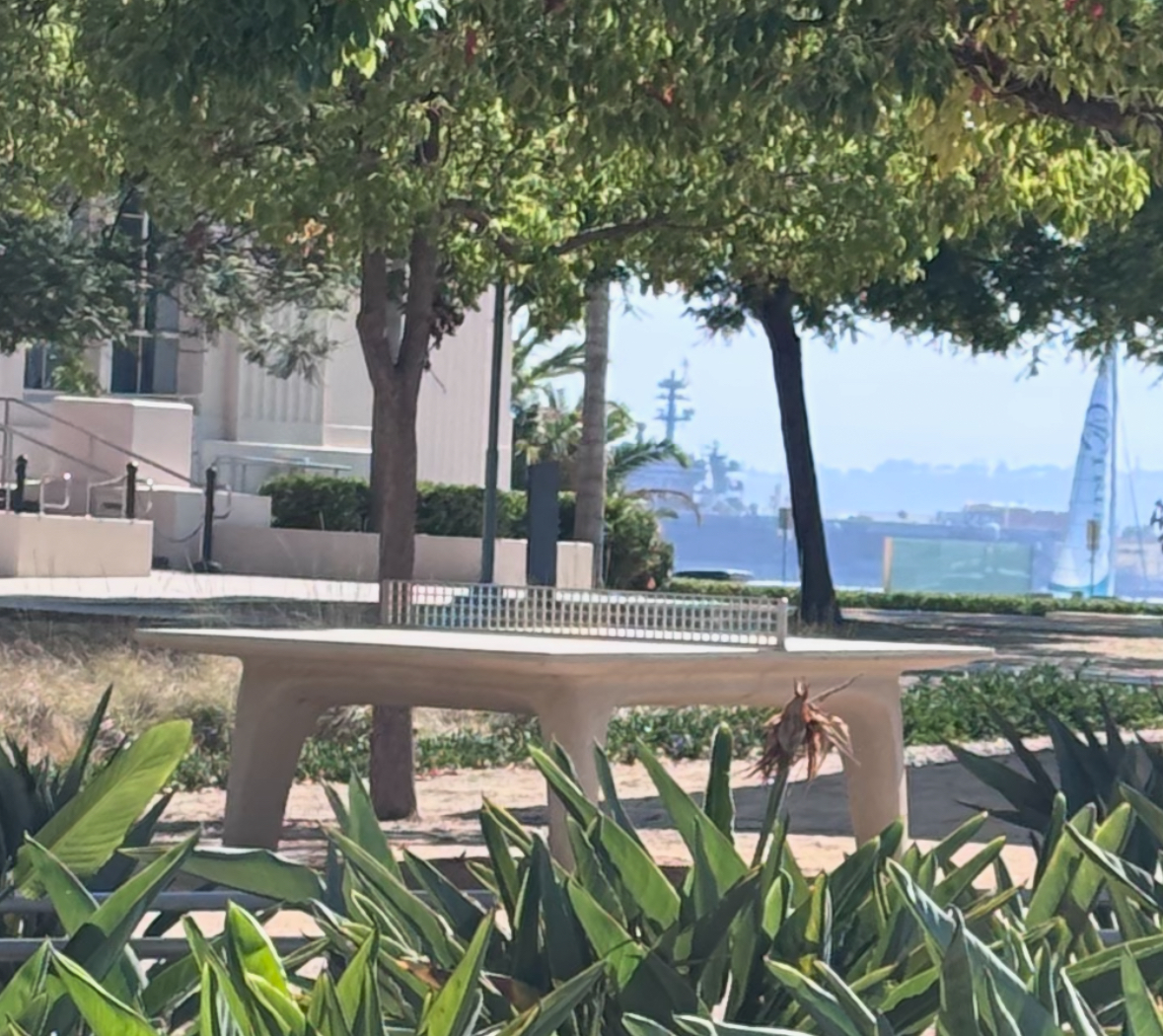
Building a permanent outdoor table tennis table from concrete and rebar creates a durable, weather-resistant playing surface that will last for decades. This guide will walk you through the process of creating a wooden frame mold and pouring a regulation-size concrete table.

Table Specifications
- Dimensions: 9 feet long × 5 feet wide (2.74m × 1.525m)
- Height: 30 inches (76cm) from ground to playing surface
- Thickness: 3-4 inches (7.6-10cm) of concrete
- Net Height: 6 inches (15.25cm) at center
Materials Needed
For the Wooden Frame (Mold):
- 2×4 lumber: approximately 40 linear feet for frame sides
- 3/4" plywood: two 4'×8' sheets for the base
- Wood screws: 3" deck screws
- Release agent or cooking oil (to prevent concrete from sticking)
- Level
- Saw (circular or hand saw)
- Drill with bits
For the Concrete Table:
- #4 rebar (1/2" diameter): approximately 20 pieces at 9 feet long, 10 pieces at 5 feet long
- Rebar ties or wire
- Concrete mix: approximately 50-60 bags of 80lb concrete mix (or 1.5-2 cubic yards ready-mix)
- Concrete reinforcement mesh (optional, for extra strength)
- Concrete sealer and/or table tennis table paint
- Cinder blocks or concrete piers for support (8-12 blocks)
- Sand for leveling base
Important Tips
- Weather: Pour concrete when temperatures are between 50-80°F and no rain is forecasted for 24 hours
- Level is Critical: Check level multiple times during frame construction and concrete pour
- Reinforcement: Don't skip the rebar - it prevents cracking and adds crucial strength
- Sealing: Seal the concrete to protect against moisture and weathering
- Safety: Wear gloves when working with concrete (it's caustic) and safety glasses
- Help: This is a heavy project - recruit 2-3 helpers for the pour
Maintenance
- Clean the surface regularly with a broom and water
- Reapply sealer every 2-3 years
- Touch up paint and lines as needed
- Inspect for cracks and repair with concrete patching compound
Step-by-Step Instructions
Step 1: Prepare the Foundation
- Select a level location with good drainage
- Clear the area of debris, grass, and roots
- Arrange 8-12 cinder blocks or concrete piers in a grid pattern (one in each corner, plus 4-6 in the middle)
- Use a level to ensure all blocks are at the same height (30 inches from ground)
- Add or remove sand beneath blocks as needed to achieve level
Step 2: Build the Wooden Form Frame

Example of a wooden frame structure for concrete forming
- Cut the plywood sheets to create a 9' × 5' base (you'll need to join two sections)
- Place the plywood on top of the cinder blocks/piers to create the bottom of your mold
- Cut 2×4 lumber for the sides:
- Two pieces at 9 feet (long sides)
- Two pieces at 5 feet (short sides)
- Stand the 2×4s on edge around the perimeter of the plywood base
- Screw the 2×4 frame pieces together at the corners
- Screw the frame to the plywood base every 12 inches
- Add vertical support braces on the outside every 2-3 feet to prevent bowing
- Coat the inside of the frame with release agent or cooking oil
Step 3: Install the Rebar Grid

Rebar grid provides structural reinforcement for the concrete
- Create a rebar grid with 12-inch spacing:
- Lay down 10 pieces of 9-foot rebar lengthwise, spaced 6 inches apart
- Lay down 10 pieces of 5-foot rebar crosswise, spaced 12 inches apart
- Use rebar ties or wire to secure all intersection points
- Elevate the rebar grid 1.5-2 inches above the plywood using small concrete spacers or rebar chairs
- Ensure the rebar is centered in what will be the thickness of the concrete
Step 4: Mix and Pour the Concrete

Carefully pour and spread the concrete mixture
- Mix concrete according to manufacturer's instructions (or have ready-mix delivered)
- Begin pouring concrete into one end of the frame
- Work the concrete around the rebar with a shovel or rake
- Fill the frame to the top edge of the 2×4s (3.5 inches thick)
- Tap the sides of the frame to release air bubbles
- Use a straight 2×4 as a screed board to level the surface by dragging it across the top of the frame
Step 5: Finish and Smooth the Surface
- After screeding, use a bull float or hand float to smooth the surface
- Work in long, sweeping motions
- For the net divider, place a 2×6 board vertically across the center while concrete is still wet
- Let the surface set for 30-60 minutes until water sheen disappears
- Perform final smoothing with a steel trowel
- For a slightly textured surface (better for play), use a broom finish after troweling
Step 6: Cure the Concrete
- Cover the concrete with plastic sheeting or wet burlap
- Keep the surface moist for 7 days
- Mist with water 2-3 times daily if using burlap
- Avoid walking on the surface for at least 3 days
- Allow to cure for a minimum of 7 days before removing forms
Step 7: Remove the Forms and Finish

The finished table ready for painting and play
- After 7 days, carefully remove the screws and dismantle the wooden frame
- Allow concrete to cure for an additional 21 days (28 days total) before painting
- Sand any rough edges smooth
- Clean the surface thoroughly
- Apply concrete sealer if desired
- Paint with dark green or blue table tennis table paint
- Mark the white boundary lines (3/4" wide) and center line using tape and white paint
- Install a permanent or removable net system at the center